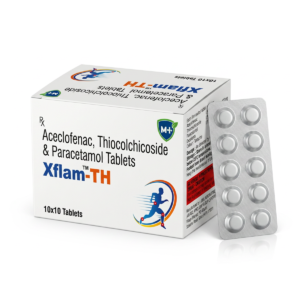
Pain management is a branch of healthcare focused on reducing discomfort and improving quality of life for people experiencing acute or chronic pain. It combines medical treatments, physical therapies, and psychological approaches to address both the physical and emotional aspects of pain. Effective pain management is individualized, meaning the approach depends on the cause, severity, and duration of pain, as well as the patient’s overall health and preferences.
- Medications: Over-the-counter drugs like Ibuprofen or prescription medications such as opioids and antidepressants may be used to control pain.
- Physical therapy: Exercises, stretching, and manual therapy help restore movement and reduce stiffness.
- Lifestyle changes: Regular exercise, healthy diet, proper sleep, and stress management can significantly reduce pain levels.
- Psychological approaches: Techniques like cognitive behavioral therapy (CBT), relaxation, and mindfulness help patients cope with chronic pain.
- Interventional procedures: Injections, nerve blocks, or minimally invasive surgeries may be used for severe or persistent pain.
A well-rounded pain management plan often combines several of these strategies to achieve the best results while minimizing risks and side effects.